
Introduction
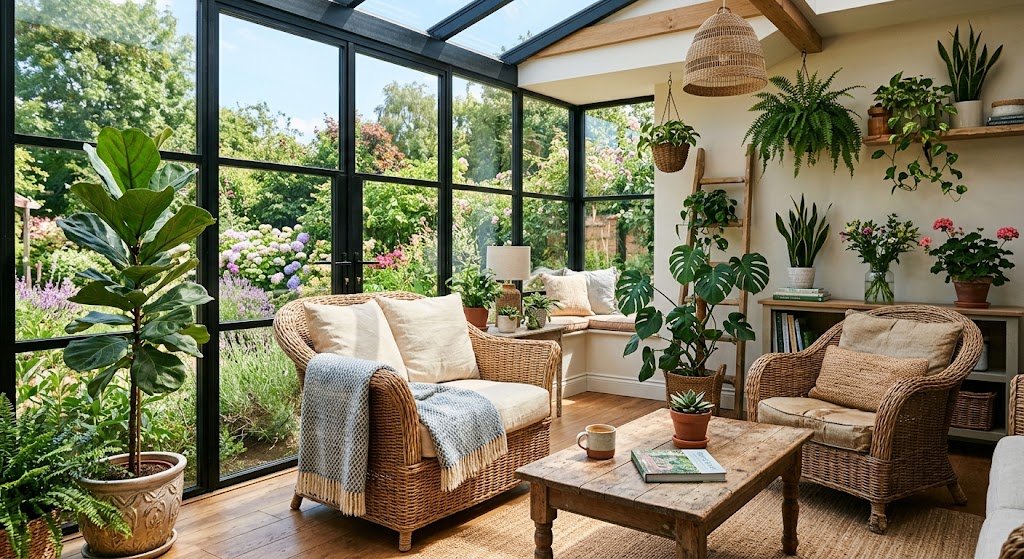
A sunroom is a wonderful place to enjoy natural light, relax with a cup of coffee, read a book, or spend time with family. It brings the beauty of the outdoors into your home while giving you a comfortable space to enjoy throughout the year. Whether you have a large glass room, a small enclosed porch, or an unused corner near your garden, you can turn it into something special.
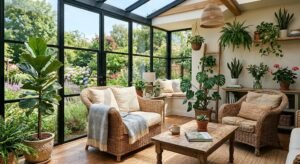
The best sunroom designs combine comfortable furniture, natural materials, beautiful colors, and plenty of sunlight. You do not need a huge budget or a large house to create a stylish space. Simple changes, such as adding soft cushions, indoor plants, light curtains, and warm lighting, can make a noticeable difference.
In this guide, you will discover creative sunroom designs for different homes, decorating tips, furniture suggestions, and budget-friendly ways to make your space more inviting. These ideas can help you create a room that looks beautiful, feels comfortable, and suits your everyday lifestyle.
1. Create a Cozy Sunroom with Comfortable Seating
Comfortable seating is one of the most important parts of a welcoming sunroom. Since this space is often used for relaxing, choose furniture that makes you want to sit down and stay for a while.
A soft sofa, a pair of lounge chairs, or a comfortable loveseat can work well. Add cushions and a lightweight throw blanket to make the seating area feel warm and inviting.
How to Arrange Your Furniture
- Place the sofa near the windows to enjoy natural light.
- Add a small coffee table for drinks, books, or snacks.
- Choose furniture that fits the available floor space.
- Leave clear walking paths around the seating area.
- Use a soft rug to make the room feel more comfortable.
For a small sunroom, a loveseat and two compact chairs may be more practical than a large sectional sofa. In a bigger room, you can create separate seating areas for conversation and reading.
Choose upholstery that can handle sunlight without fading too quickly. Window treatments and UV-filtering glass can also help protect furniture from direct sunlight.
2. Bring Nature Indoors with Green Plants
Indoor plants are an easy way to make a sunroom feel fresh and connected to the outdoors. They add color, texture, and life without requiring major changes to the room.
Choose plants based on the amount of sunlight your windows receive. Some plants thrive in bright, indirect light, while others can tolerate stronger sunlight.
Best Plants for a Sunroom
- Snake plant: A hardy option that can tolerate different indoor conditions.
- Spider plant: A popular choice for shelves and hanging planters.
- Pothos: A trailing plant that looks attractive on high shelves.
- Rubber plant: A bold option with large, glossy leaves.
- Succulents: Suitable for many bright locations, depending on the species.
- Areca palm: Adds a tropical appearance when given suitable light and humidity.
Arrange plants at different heights to create a natural display. Place larger pots on the floor, smaller plants on shelves, and trailing varieties in hanging containers.
Avoid overcrowding the room with greenery. A few well-placed plants can make a stronger visual impact than dozens of pots competing for attention.
Remember to check each plant’s light and watering needs before choosing its location.
3. Choose a Modern Minimalist Sunroom Design
A minimalist sunroom is perfect for homeowners who prefer a clean, simple, and uncluttered appearance. This style focuses on useful furniture, open space, and a limited color palette.
Start with neutral colors such as white, beige, soft gray, or warm cream. Add furniture with simple shapes and avoid unnecessary decorations.
Key Features of a Minimalist Sunroom
- Clean lines and simple furniture.
- Large windows with minimal visual obstruction.
- Neutral colors and natural textures.
- Hidden or organized storage.
- A few carefully selected decorative pieces.
For example, a cream-colored sofa, a light wood coffee table, and one large indoor plant can create a stylish arrangement without making the room feel busy.
Minimalist design works especially well in small spaces because it allows natural light to remain the main feature.
4. Design a Rustic Sunroom with Natural Materials
If you love warm and welcoming interiors, a rustic sunroom may be the right choice. This style uses natural materials, earthy colors, and comfortable furniture to create a relaxed atmosphere.
Wood is often the main feature of rustic interiors. You can introduce it through exposed beams, wooden flooring, side tables, or decorative shelves.
Pair wooden furniture with linen cushions, woven baskets, cotton throws, and textured rugs. Colors such as brown, beige, olive green, and terracotta help create a natural look.
Rustic Decorating Tips
Use a reclaimed wood coffee table as a focal point. Add a woven rug to soften the floor and place a few ceramic pots near the windows.
If your room already has wooden ceiling beams or a brick wall, let these features stand out rather than covering them with too many decorations.
You can also combine rustic furniture with modern glass windows for a balanced design that feels both traditional and fresh.
5. Make a Small Sunroom Feel Bigger
A small sunroom can still feel spacious and attractive with the right layout. The main goal is to keep the room bright, reduce clutter, and choose furniture that fits comfortably.
Avoid oversized sofas and heavy cabinets that block the natural flow of the room. Instead, use compact furniture, light colors, and simple decorations.
Smart Ways to Save Space
- Choose a loveseat instead of a large sectional.
- Use a narrow coffee table or nesting tables.
- Install floating shelves for small decorative items.
- Select furniture with visible legs to create a lighter appearance.
- Use mirrors carefully to reflect available light.
- Keep window areas as clear as possible.
A built-in bench along one wall can provide seating without taking up too much space. If you add storage beneath the bench, it can also hold blankets, books, or outdoor cushions.
For a narrow sunroom, arrange furniture along the longer walls and maintain a clear central walkway.
6. Create a Bright White Sunroom
White is a popular color for sunrooms because it reflects light and creates a fresh, airy atmosphere. It also provides a flexible background for different decorating styles.
White walls, pale flooring, and light-colored furniture can make a room feel open and peaceful. To avoid a plain appearance, combine different textures and shades.
For example, pair a white sofa with cream cushions, a natural wood table, and a woven rug. Add green plants or a few colorful accessories for contrast.
How to Avoid an All-White Room Feeling Cold
Use warm lighting, soft fabrics, and natural materials. Cream, ivory, and warm beige can make the space feel more inviting than using only bright white.
If you prefer a little color, add sage green cushions, pale blue curtains, or terracotta planters.
A white sunroom is especially suitable for homes with large windows because the overall design helps emphasize the daylight entering the room.
7. Turn Your Sunroom into a Reading Nook
A sunroom can become the perfect reading space because it offers natural light and a peaceful atmosphere. You only need a comfortable chair, a small table, and a convenient place to store your favorite books.
Place an armchair near a window that receives comfortable daylight. Add a footstool, a soft blanket, and a reading lamp for evenings.
A narrow bookshelf or floating shelves can hold books without taking up too much room. If space is limited, use a small basket to store magazines and reading accessories.
Choose curtains or blinds that reduce glare when the sun becomes too strong. Direct sunlight on book pages can make reading uncomfortable and may damage books over time.
This setup is ideal for anyone who wants a quiet corner to unwind without dedicating an entire room to a home library.
8. Add a Dining Area to Your Sunroom
If your sunroom has enough space, consider turning part of it into a dining area. Eating breakfast in natural light or enjoying a relaxed evening meal near the garden can make everyday moments feel more special.
A round dining table is often useful in compact rooms because it has no sharp corners and can make movement around the table easier.
For a larger room, a rectangular table may provide more seating. Pair it with lightweight chairs and a pendant light positioned safely above the table.
Tips for a Practical Sunroom Dining Space
- Choose a table that leaves enough room for chairs to move.
- Use easy-to-clean furniture finishes.
- Add washable seat cushions for comfort.
- Keep the windows accessible for cleaning and ventilation.
- Use blinds or curtains to control glare during meals.
If the room experiences temperature changes, select furniture and fabrics that can handle the conditions. A sunroom used for dining should also have suitable ventilation and protection from excessive heat.
9. Use Natural Wood and Woven Textures
Natural materials can make a sunroom feel warmer and more connected to its surroundings. Wood, rattan, jute, bamboo, and linen are useful choices for creating a relaxed atmosphere.
A rattan chair, a wooden coffee table, or a woven pendant shade can add texture without overwhelming the room.
You can also use woven baskets to organize blankets, magazines, or small accessories. A natural fiber rug can define the seating area, although you should choose one that suits the room’s moisture and sunlight conditions.
For a balanced look, mix materials rather than using the same texture everywhere. Pair smooth wood with soft cotton cushions and a woven basket, for example.
Natural textures work with many styles, including coastal, farmhouse, modern, and bohemian interiors.
10. Create a Coastal-Inspired Sunroom
A coastal sunroom uses colors and materials inspired by the beach. It does not need seashell decorations or nautical signs to achieve this look. The style works best when it feels light, relaxed, and natural.
Start with white or warm cream walls. Add soft blue, sandy beige, and pale gray through cushions, rugs, or curtains.
Furniture made from light wood or woven materials can strengthen the coastal look. Choose simple patterns such as stripes or subtle geometric designs.
Large windows and sheer curtains can help maintain a bright appearance, while a few green plants add freshness.
This style is particularly attractive in homes with garden views, patios, or outdoor spaces because it creates a natural connection between the interior and the landscape.
11. Add Warm Lighting for Evening Comfort
Although sunlight is the main attraction of a sunroom, good artificial lighting allows you to enjoy it after sunset.
A combination of overhead lighting, table lamps, and floor lamps can create a comfortable atmosphere. Choose lighting that complements the room’s purpose rather than relying on one bright ceiling fixture.
For a reading corner, use a focused lamp near the chair. For a social seating area, place a floor lamp beside the sofa. A dimmable light can make the room more flexible for different activities.
Warm-white lighting often creates a cozy feeling, especially when combined with wood furniture and soft fabrics.
Make sure electrical fittings are suitable for the room’s temperature and moisture conditions. If your sunroom is not fully insulated, check that the chosen fixtures and lamps are appropriate for the environment.
12. Make Your Sunroom More Energy-Efficient
Large windows make sunrooms beautiful, but they can also cause overheating in summer and heat loss in winter. Planning for comfort can help you use the room more often.
Start by checking the condition of the window seals and doors. Draughts can make the room uncomfortable, while suitable window coverings can help control sunlight and heat.
Consider these practical improvements:
- Use blinds or curtains to reduce direct afternoon sun.
- Add outdoor shading where suitable.
- Seal gaps around windows and doors.
- Use efficient lighting.
- Choose rugs and insulated window treatments where appropriate.
- Consider suitable glazing if you are renovating or replacing windows.
The best solution depends on your climate, window orientation, and the quality of the existing construction. In particularly hot or cold climates, professional advice about glazing and insulation may be worthwhile.
Sunroom Design Ideas: Quick Comparison Table
The table below compares popular styles and helps you choose one that suits your space, budget, and lifestyle.
| Sunroom style | Main features | Best for |
|---|---|---|
| Modern minimalist | Simple furniture, neutral colors, clean lines | Small and contemporary homes |
| Rustic farmhouse | Wood, woven textures, earthy colors | Warm and traditional interiors |
| Indoor garden | Green plants, natural materials, bright light | Plant lovers and garden enthusiasts |
| Reading nook | Armchair, bookshelf, soft lighting | Quiet relaxation |
| Dining sunroom | Dining table, comfortable chairs, natural light | Family meals and entertaining |
| Coastal style | White, pale blue, light wood, airy fabrics | Bright and relaxed spaces |
| All-white design | White walls, pale furniture, subtle textures | Rooms that need a brighter look |
| Budget-friendly | Existing furniture, cushions, plants, simple lighting | Affordable room updates |
You can combine styles to create a design that suits your home. For example, a minimalist sunroom can include rustic wood furniture, while a coastal design can incorporate indoor plants and woven accessories.
13. Budget-Friendly Ways to Decorate a Sunroom
You do not have to replace every piece of furniture to improve your sunroom. Small, affordable updates can create a fresh appearance without requiring a full renovation.
Begin by removing unnecessary items and rearranging the furniture to improve movement. A more open layout can make the room feel completely different.
Next, refresh the space with inexpensive accessories. New cushion covers, a soft throw, a secondhand side table, or a few plant pots can add color and texture.
Affordable Decorating Tips
- Reuse furniture from another room.
- Paint suitable walls in a light, welcoming color.
- Add plants that match the available light.
- Use baskets for simple storage.
- Replace worn cushion covers instead of buying new furniture.
- Shop for secondhand wooden furniture.
- Use lamps you already own to improve evening lighting.
Before spending money on decoration, check whether the room needs repairs, better ventilation, or improved temperature control. A comfortable and well-maintained space is more valuable than an expensive room that is difficult to use.
Conclusion
A sunroom can become one of the most enjoyable spaces in your home when it combines natural light, comfortable furniture, and thoughtful decoration. Whether you prefer a modern minimalist design, a rustic retreat, an indoor garden, or a cozy reading corner, the right choices can help you create a room that reflects your lifestyle.
Start with the basics: choose a practical layout, select furniture that fits, and make the most of your windows. Then add plants, natural textures, warm lighting, and personal touches to give the room character.
The most successful sunroom designs balance beauty with comfort. With careful planning and a few simple improvements, you can create a bright, welcoming space for relaxing, reading, dining, or spending time with family.
Frequently Asked Questions (FAQs)
1. What is the best way to decorate a sunroom?
Start with comfortable seating, a practical furniture layout, and light colors. Add plants, soft cushions, natural textures, and suitable lighting to make the space inviting without creating clutter.
2. How can I make a small sunroom look bigger?
Use compact furniture, light colors, open shelving, and simple decorations. Keep the windows clear and maintain enough open floor space for easy movement.
3. Which furniture is best for a sunroom?
Sofas, loveseats, lounge chairs, small coffee tables, and storage benches are popular choices. Select materials that can handle the room’s sunlight, temperature changes, and humidity.
4. Can I use a sunroom throughout the year?
Yes, if it has suitable insulation, glazing, ventilation, and heating or cooling for your climate. A basic enclosed porch may not provide the same comfort as a properly insulated sunroom.
5. What colors work best in a sunroom?
White, cream, beige, pale gray, and soft blue are popular options. You can add green, terracotta, or darker accent colors to create contrast and personality.
6. How do I keep plants healthy in a sunroom?
Choose plants according to the amount and type of sunlight available. Check watering requirements, provide suitable drainage, and protect plants from excessive heat or cold.
7. What flooring is suitable for a sunroom?
Tile, suitable vinyl, engineered flooring, and properly installed wood flooring can all work, depending on temperature and moisture conditions. Choose a product designed for your specific environment.
8. How can I decorate a sunroom on a budget?
Rearrange existing furniture, add affordable cushion covers, use secondhand tables, introduce a few plants, and improve lighting with lamps. These changes can refresh the room without a major renovation.
9. Can a sunroom be used as a dining room?
Yes. A sunroom with enough space can accommodate a dining table and chairs. Make sure there is enough room to move around the table and that the space remains comfortable during meals.
10. How can I stop a sunroom from getting too hot?
Use suitable blinds or curtains, consider exterior shading, check ventilation, and investigate energy-efficient glazing. The best approach depends on the direction your windows face and your local climate.