
Introduction
A small bathroom does not have to feel cramped, dark, or uncomfortable. With the right layout, colors, tiles, and storage, you can create a shower area that looks stylish and feels much more spacious. Whether you are renovating an old bathroom or designing a new one, a few thoughtful changes can make a big difference.
The best small shower ideas focus on saving space without losing comfort or style. From frameless glass doors to corner showers and walk-in designs, there are many ways to make a small bathroom more practical. You do not need a huge budget or a large room to create a beautiful shower area.
In this guide, you will discover simple design ideas, useful layout tips, and affordable upgrades that can help you make the most of every inch. These suggestions work for modern homes, apartments, guest bathrooms, and compact family bathrooms.
1. Choose a Frameless Glass Shower
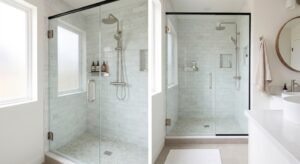
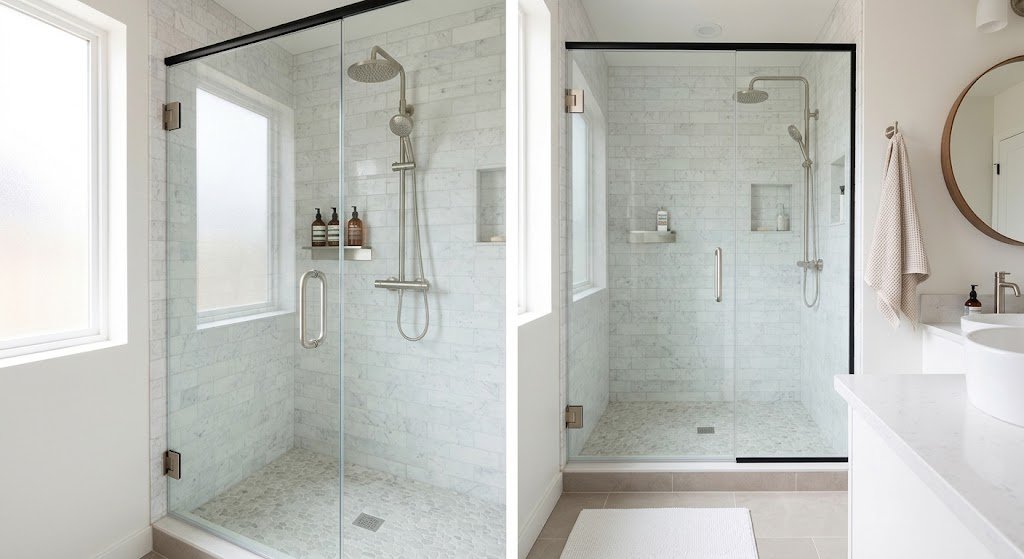
One of the easiest ways to make a small bathroom feel larger is to install a frameless glass shower enclosure. Traditional shower curtains and heavy frames can visually divide a room, making it feel smaller than it really is.
Clear glass allows light to travel throughout the bathroom. It also keeps the shower tiles visible, creating a more open and connected appearance.
How to Make It Work
- Choose clear glass instead of frosted glass when privacy allows.
- Use minimal metal hardware for a clean appearance.
- Select a simple glass panel or door that suits your bathroom layout.
- Keep the shower area clean to maintain an open look.
Frameless glass can work particularly well with white tiles, light-colored walls, and simple bathroom fittings. If you have a very narrow bathroom, a fixed glass panel may be more practical than a door that swings outward.
Remember to choose properly installed safety glass and ensure the enclosure prevents water from escaping into the rest of the room.
2. Try a Corner Shower Design
A corner shower is a practical choice when floor space is limited. Instead of placing the shower in the middle of a wall, you can position it in one corner and leave more room for the toilet, sink, and movement.
Corner showers are available in square, rectangular, and curved designs. The best option depends on your room dimensions and the location of existing plumbing.
Tips for a Better Corner Shower
- Use a sliding door if a swinging door would block the walkway.
- Install a small recessed shelf for shampoo and soap.
- Choose light tiles to make the corner feel less enclosed.
- Use matching floor and wall colors for a seamless appearance.
A corner shower can be especially useful in a guest bathroom or a compact apartment. Before buying an enclosure, measure the available space carefully and make sure there is enough room to enter and exit comfortably.
3. Install a Walk-In Shower
A walk-in shower can give a small bathroom a modern, open appearance. It usually features a glass panel, a low-threshold entry, or a level-access design instead of a bulky traditional enclosure.
Many homeowners prefer this style because it creates fewer visual barriers and can make cleaning easier.
Small Bathroom Walk-In Shower Ideas
When planning a walk-in shower, focus on a simple layout that allows the bathroom to feel open.
Consider these options:
- Single glass panel: Separates the shower from the rest of the room without closing it off.
- Recessed shower niche: Provides storage without taking up extra space.
- Linear drain: Can create a neat, streamlined appearance when properly installed.
- Large-format tiles: Reduce the number of visible grout lines.
- Wall-mounted shower fittings: Keep the design simple and can make cleaning easier.
Waterproofing is especially important for walk-in showers. The floor must have the correct slope toward the drain, and the shower area needs suitable waterproofing and splash control. A qualified installer can help prevent leaks and water damage.
4. Use Light Colors to Open Up the Space
Color has a strong effect on how a small bathroom feels. Light shades reflect more light and can make the room appear brighter and more open.
White, cream, pale gray, and soft beige are popular choices for compact shower areas. These colors also work well with different decorating styles, from modern and minimalist to traditional.
Color Combinations to Consider
- White and light gray: Clean, fresh, and modern.
- Cream and beige: Warm and welcoming.
- Pale green and white: Calm and natural.
- Light blue and white: Fresh and relaxing.
- Soft gray and natural wood: Contemporary without feeling cold.
You do not have to make every surface white. A darker shower floor or a subtle accent wall can add depth and character. The key is to avoid using too many competing colors in a very small area.
If your bathroom receives little natural light, combine lighter finishes with suitable overhead lighting and a well-lit mirror.
5. Choose Large-Format Shower Tiles
Large-format tiles are an excellent option for creating a clean, spacious appearance. Because they require fewer grout lines than many smaller tiles, the walls can look less busy.
For example, large rectangular tiles installed horizontally may help a narrow shower appear wider. Vertical tile patterns can draw the eye upward and make a low ceiling feel taller.
Best Tile Options for Small Showers
Porcelain tiles are a popular choice because they are durable and available in many colors and finishes. Ceramic tiles can also be suitable, particularly for walls.
Natural stone offers a beautiful appearance, but it may require additional sealing and maintenance depending on the material.
When selecting shower tiles, remember these points:
- Choose slip-resistant flooring suitable for wet areas.
- Use grout that is appropriate for shower conditions.
- Select finishes that are easy to clean.
- Avoid highly polished floor tiles if they become slippery when wet.
- Keep grout colors close to the tile color for a more continuous look.
Large tiles can be difficult to fit around drains and corners, so the installer should plan the layout before work begins.
| Artsusshop.org | Discover nature-inspired home decor, creative interior design ideas, garden inspiration, and practical tips to create beautiful, comfortable, and peaceful living spaces. |
| Improveville.org | Explore practical home decor ideas, interior design inspiration, color schemes, furniture tips, and creative ways to make every room stylish and inviting. |
| Wealthybytecom.org | Explore personal finance tips, money management strategies, saving ideas, investing basics, and practical insights to help you make smarter financial decisions. |
| Spirituswellness.net | Discover helpful health and wellness tips, nutrition advice, fitness guidance, skincare ideas, and healthy lifestyle habits for better everyday well-being. |
| Thinksano.org | Explore health and fitness tips, nutrition guidance, wellness advice, and practical strategies to build healthier habits and support your everyday well-being. |
| Pushyourdesigncom.com | Find inspiring interior design ideas, home decorating tips, renovation guides, and creative solutions to transform your living spaces with style and comfort. |
| Amblehealths.com | Discover practical health information, wellness tips, nutrition advice, fitness guidance, and healthy lifestyle ideas to support your daily health and well-being. |
| Joinamble.org | Explore online wellness and anti-aging options, personalized weight management support, and convenient access to healthcare providers to help you pursue your health goals. |
6. Add a Recessed Shower Niche
Bathroom products can quickly clutter a small shower. Bottles placed on the floor or hanging baskets attached to the wall can make the space feel crowded.
A recessed shower niche solves this problem by providing storage inside the wall. It creates a neat place for shampoo, conditioner, soap, and other essentials without taking up valuable shower space.
How to Design a Useful Niche
Place the niche where it is easy to reach without standing directly under the shower stream. Choose a height that works for everyone who uses the bathroom.
You can match the niche tiles to the surrounding walls for a seamless appearance or use a contrasting tile to create a decorative feature.
A professional should ensure the niche is properly waterproofed and positioned safely away from plumbing and electrical components.
If cutting into the wall is not practical, a slim shower shelf or a properly installed corner caddy can provide a similar storage solution.
7. Consider a Sliding Shower Door
A standard hinged shower door needs enough space to swing open. In a small bathroom, it may hit the toilet, sink, or nearby wall.
A sliding shower door avoids this problem by moving along a track. It can be a useful choice for narrow bathrooms where every inch matters.
Another option is a fixed glass screen with an open entry. This can create a modern appearance, although you need to consider splash control and the amount of space available.
Before selecting a door, check the opening width, access requirements, and cleaning needs. Sliding doors can have tracks that collect soap residue, so choose a design that is easy to maintain.
8. Improve Lighting Around the Shower
Good lighting can make a small shower area feel brighter, cleaner, and more comfortable. Poor lighting, on the other hand, can create dark corners that make the bathroom appear cramped.
If possible, use natural light from an existing window. For bathrooms without windows, combine general lighting with suitable shower-area illumination.
Simple Lighting Improvements
- Install a bright ceiling light with a comfortable color temperature.
- Use a well-lit mirror near the vanity.
- Add suitable recessed lights above the shower if the electrical installation allows.
- Choose fixtures rated for the wet or damp location where they will be installed.
- Use light-colored surfaces to help distribute available light.
Electrical fittings near showers must meet local safety requirements. Ask a qualified electrician to select and install the correct fixtures.
9. Use a Curved or Compact Shower Enclosure
If a rectangular shower feels too large for your bathroom layout, a curved enclosure may be worth considering. Its rounded front can reduce the amount of space it occupies in the walkway.
Compact enclosures are also available for bathrooms with unusual layouts or limited floor areas.
However, the smallest enclosure is not always the most comfortable. You should be able to turn, wash, and reach shower controls without constantly hitting the walls.
Measure the room and compare the usable interior space before choosing a design. If possible, mark the enclosure footprint on the floor to understand how it affects movement around the bathroom.
10. Choose Minimalist Fixtures
Large showerheads, bulky handles, and oversized fittings can make a small shower feel crowded. Minimalist fixtures provide the features you need without overwhelming the design.
A wall-mounted showerhead, a simple control panel, and streamlined hardware can help create a clean appearance.
Brushed nickel, chrome, matte black, and brushed brass are popular finishes. Choose one main finish and repeat it across the shower fittings, towel hooks, and other accessories for a coordinated look.
A rainfall showerhead can look attractive, but make sure it suits the available water pressure and does not create excessive splashing in a compact enclosure.
11. Add Storage Without Cluttering the Shower
Storage is essential in a small bathroom, but too many shelves and accessories can make the room feel crowded.
Instead of adding several storage units, focus on solutions that use space efficiently.
Useful options include:
- Recessed wall niches for everyday products.
- Slim corner shelves for shampoo and soap.
- Wall-mounted hooks for washcloths.
- A nearby narrow cabinet for extra toiletries.
- A shower caddy that fits securely without blocking movement.
Keep only frequently used products inside the shower. Store spare bottles, cleaning products, and other items elsewhere to maintain a tidy appearance.
12. Make a Small Shower Look Luxurious on a Budget
You do not need expensive marble or designer fixtures to create an attractive shower. A few carefully chosen upgrades can make a big difference.
Start by cleaning the grout, replacing worn silicone sealant, and removing unnecessary accessories. These simple improvements can make an older shower look fresher.
Next, focus on one or two upgrades that have the greatest visual impact.
For example, replacing a bulky curtain with a clear glass panel can change the entire appearance of the bathroom. New shower fittings, coordinated accessories, or a well-designed niche can also improve the space.
If you are working with a limited budget, prioritize waterproofing, drainage, safe flooring, and reliable fixtures before spending money on decorative features.
Small Shower Ideas: Quick Design Comparison
The table below compares popular options to help you choose the right design for your bathroom.
| Shower design | Main benefit | Best suited for |
|---|---|---|
| Frameless glass shower | Creates an open appearance | Small modern bathrooms |
| Corner shower | Uses an unused corner | Compact guest bathrooms |
| Walk-in shower | Reduces visual barriers | Bathrooms with suitable drainage |
| Sliding shower door | Saves door-swing space | Narrow bathrooms |
| Large-format tiles | Creates a less busy look | Modern and minimalist spaces |
| Recessed shower niche | Adds storage without bulky shelves | Cluttered shower areas |
| Curved enclosure | Can improve walkway clearance | Tight bathroom layouts |
| Light-colored tiles | Makes the room feel brighter | Bathrooms with limited light |
| Minimalist fixtures | Keeps the design visually simple | Small contemporary showers |
The best design depends on your room measurements, plumbing locations, budget, and daily needs. Combining two or three ideas often works better than trying to include every feature in one small bathroom.
13. Common Mistakes to Avoid in a Small Shower
Even a beautiful shower can become difficult to use if the layout is not planned carefully.
Avoid these common mistakes:
Choosing an enclosure that is too small: A compact shower should still provide enough room to move comfortably.
Ignoring water splashes: An open walk-in design needs suitable glass placement, drainage, and floor slope.
Using slippery flooring: Select flooring designed for wet conditions and appropriate for the intended use.
Adding too many decorative patterns: Multiple competing tile designs can make a small room feel busy.
Forgetting ventilation: Proper ventilation helps control moisture and reduces the risk of mold growth.
Skipping waterproofing: Poor waterproofing can lead to leaks, damaged walls, and expensive repairs.
Blocking access: Make sure shower doors, bathroom doors, drawers, and cabinets can open without interfering with one another.
Planning these details before installation can save time, money, and frustration later.
14. How to Plan Your Small Shower Renovation
Before starting a renovation, decide what you want to improve most. You may need more storage, easier access, better lighting, or a more modern appearance.
Begin by measuring the bathroom, including the shower footprint, door openings, toilet, vanity, and available walking space. Identify the existing plumbing and drainage locations because moving them can increase the cost of the project.
Next, choose a shower style that fits the room. Select tiles, glass, fittings, and storage that work together rather than purchasing each item separately.
Finally, establish a realistic budget. Include materials, labor, waterproofing, plumbing, electrical work, and a contingency for unexpected repairs.
If you are changing the shower layout, consult a qualified professional to confirm that the design meets local building and plumbing requirements.
Conclusion
A small bathroom can be both practical and beautiful when every design choice serves a purpose. Clear glass, light-colored tiles, compact enclosures, recessed storage, and suitable lighting can help create a shower that feels open and comfortable.
The most effective small shower ideas balance appearance with everyday use. Think about how you move through the room, where you store toiletries, and how easily you can clean the shower. Choose features that fit your space instead of trying to copy a design made for a much larger bathroom.
With careful planning and a few smart upgrades, you can create a shower area that looks fresh, feels comfortable, and makes the most of your available space.
Frequently Asked Questions (FAQs)
1. What is the best shower design for a small bathroom?
A corner shower or a walk-in shower with a clear glass panel can work well. The best option depends on the room’s dimensions, drainage, and available entry space.
2. How can I make a small shower look bigger?
Use clear glass, light-colored tiles, simple fixtures, and good lighting. Keeping the floor and walls visually consistent can also make the area appear more spacious.
3. Are walk-in showers suitable for small bathrooms?
Yes, walk-in showers can work in small bathrooms when the layout, drainage, waterproofing, and splash control are planned correctly. A fixed glass panel can help separate the wet area without making the room feel closed off.
4. Which tiles are best for a small shower?
Porcelain and ceramic tiles are popular choices. Large-format wall tiles can reduce visible grout lines, while the floor should use a suitable slip-resistant finish.
5. Are shower curtains or glass doors better for small bathrooms?
Both can work. Clear glass creates an open appearance, while a shower curtain is often less expensive and can be moved aside easily. Sliding glass doors may be useful when there is not enough room for a hinged door.
6. How can I add storage to a small shower?
Install a recessed niche, use a slim corner shelf, or choose a secure shower caddy. Avoid filling every available wall with storage because it can make the shower feel cluttered.
7. What colors make a small shower look larger?
White, cream, pale gray, and soft beige can help create a brighter appearance. Pale blue and soft green are also good choices for a calm, relaxing bathroom.
8. How much does it cost to remodel a small shower?
The cost varies depending on your location, materials, labor, plumbing changes, and the condition of the existing bathroom. Cosmetic updates are generally less expensive than a complete renovation involving new drainage and waterproofing.
9. Can I make my small shower look luxurious without spending much?
Yes. Clean grout, fresh sealant, coordinated fittings, simple accessories, and good lighting can improve the appearance without requiring a complete renovation.
10. What is the most important thing to consider when designing a small shower?
Prioritize safe access, effective drainage, reliable waterproofing, and enough space to move comfortably. Decorative features should come after these practical requirements.