
A beautiful kitchen is not only about cabinets, countertops, and appliances. The wall behind your stove, sink, and worktops also plays an important role in the overall look of your space. Choosing the right backsplash can protect your walls from water, grease, and food splashes while making your kitchen look clean, fresh, and stylish.
The best kitchen backsplash ideas combine beauty, durability, and easy maintenance. Whether you prefer a modern kitchen, a traditional design, or a simple space with a natural feel, there are plenty of options to explore. From classic subway tiles to colorful patterns and natural stone, the right choice can completely change the appearance of your kitchen.
In this guide, you will discover different backsplash materials, colors, patterns, and practical tips to help you choose a design that suits your home and budget.
1. Modern Kitchen Backsplash Ideas
Modern kitchens often feature clean lines, simple colors, and smooth surfaces. A well-chosen backsplash can make these spaces look more attractive without creating visual clutter.
Large-format porcelain tiles are a popular option because they create fewer grout lines and offer a neat appearance. Glossy white tiles can make a kitchen feel brighter, while matte black or gray surfaces add depth and contrast.
You can also consider a full-height backsplash that extends from the countertop to the ceiling. This design creates a continuous appearance and works particularly well behind a cooking range or on a feature wall.
For a balanced modern kitchen, match the backsplash with your cabinets and countertops. For example, white cabinets pair beautifully with gray tiles, while warm wood cabinets work well with cream or beige finishes.
2. Classic Subway Tile Designs
Subway tiles remain a timeless choice for many homes. Their simple rectangular shape makes them suitable for modern, farmhouse, and traditional kitchens.
White subway tiles with light grout create a clean and bright appearance. If you want something more distinctive, consider dark grout, colored tiles, or a vertical installation pattern.
There are several ways to arrange subway tiles:
- Horizontal brick pattern: Creates a familiar and balanced look.
- Vertical stack pattern: Makes the wall appear taller and more contemporary.
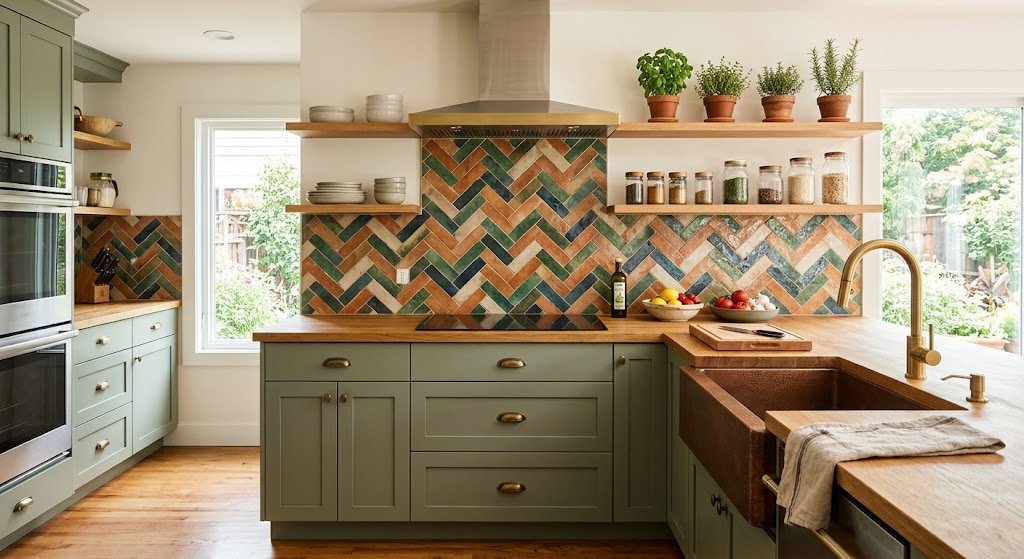
- Herringbone pattern: Adds movement and visual interest.
- Vertical brick pattern: Gives the kitchen a fresh, slightly traditional appearance.
Subway tiles are generally affordable and easy to find. However, grout requires regular cleaning, especially near the stove. Choosing a suitable grout color can help reduce the appearance of everyday stains.
3. Natural Stone Backsplash for an Elegant Kitchen
Natural stone can give your kitchen a rich, timeless appearance. Marble, granite, and travertine each offer unique colors and patterns that bring natural character into the room.
Marble is especially attractive when you want soft veining and an elegant finish. Granite offers a wide range of colors and can complement busy or simple countertops. Travertine provides warm, earthy tones that suit rustic and Mediterranean-inspired kitchens.
Before choosing natural stone, consider its maintenance needs. Some stones are porous and may require sealing to help protect them from stains. Always follow the manufacturer’s or stone supplier’s care instructions.
If you love the look of marble but want a lower-maintenance option, consider marble-look porcelain tiles. They can provide a similar appearance without requiring the same care as natural marble.
4. Colorful Backsplash Designs
A backsplash does not have to be white or gray. Adding color can make your kitchen feel more personal and inviting.
Green tiles work beautifully with natural wood cabinets and brass hardware. Blue tiles can create a calm, coastal atmosphere, while terracotta brings warmth to rustic kitchens.
For a bold design, try deep navy, emerald green, or charcoal. These shades look especially attractive when balanced with lighter countertops or cabinets.
If you prefer a softer style, choose pale sage, dusty blue, or warm cream. These colors add character without overwhelming the room.
When selecting a color, consider the amount of natural light in your kitchen. Dark shades can look dramatic in a bright room, while lighter colors often help smaller or darker spaces feel more open.
5. Kitchen Backsplash Tile Ideas for Small Spaces
Small kitchens benefit from designs that keep the room feeling bright and organized. The right tile can create a sense of openness without requiring expensive renovations.
Consider these options:
- Light-colored tiles: White, ivory, and pale gray reflect light and create a fresh appearance.
- Glossy finishes: Reflect available light and can make a compact kitchen feel brighter.
- Simple patterns: Reduce visual clutter and help the space look organized.
- Vertical tile layouts: Draw the eye upward and can make walls appear taller.
- Large-format tiles: Reduce grout lines and create a more continuous surface.
These small kitchen ideas can work especially well when combined with light cabinets, good task lighting, and uncluttered countertops.
Avoid choosing a highly detailed pattern if the room already contains busy flooring, colorful cabinets, or strongly patterned countertops. A simpler wall design can create a more balanced result.
6. Glass Backsplash for a Bright Kitchen
Glass backsplashes are an attractive option for homeowners who prefer smooth surfaces and a contemporary appearance.
Glass panels can create a nearly seamless look because they have fewer joints than individual tiles. This can make cleaning easier, especially in areas exposed to grease and food splashes.
Clear, frosted, and colored glass offer different design possibilities. A pale glass finish can help brighten a darker kitchen, while a bold color can create an eye-catching feature.
However, installation requires careful measurement, and the glass must be suitable for its intended location. Areas behind cooking appliances need materials and installation methods appropriate for the heat involved.
Glass can also show fingerprints, water marks, and grease, so regular wiping may be necessary to maintain its appearance.
7. Patterned Tiles for a Unique Kitchen
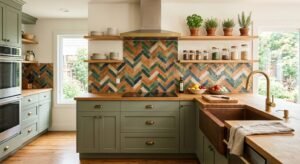
Patterned tiles are ideal if you want your kitchen to have a distinctive personality. Geometric shapes, floral patterns, Moroccan-inspired designs, and decorative cement tiles can turn an ordinary wall into a feature.
Patterned surfaces work particularly well behind a stove or along a short section of countertop. This approach lets you introduce detail without covering every wall in a busy design.
For the best result, keep the surrounding elements relatively simple. Plain cabinets, neutral countertops, and understated hardware allow the backsplash to become the main attraction.
You should also think about the size of the pattern. Large patterns may look impressive on wide walls, while smaller repeating designs can suit compact spaces.
Remember that some decorative tiles need special cleaning or sealing. Check the product specifications before purchasing them for a busy cooking area.
8. Budget-Friendly Backsplash Options
Updating your kitchen does not always require a large renovation budget. Several affordable materials can improve the appearance of your walls while providing practical protection.
Ceramic tiles are widely available in different sizes, colors, and finishes. They are often a cost-effective choice for homeowners who want a durable tiled surface.
Peel-and-stick backsplash panels can offer a quick decorative update, particularly in rental properties or areas with limited renovation budgets. However, they may not provide the same durability as permanent tile installations, especially near heat, moisture, or heavy cooking activity. Check the manufacturer’s restrictions before using them.
Another option is to install tiles only in the most important areas, such as behind the stove and sink, where wall protection is especially useful.
Before setting your budget, include the cost of adhesive, grout, edge trim, surface preparation, tools, and professional installation where needed. This helps you compare options more accurately and avoid unexpected expenses.
9. How to Choose the Right Backsplash Material
Choosing the right material depends on your cooking habits, cleaning preferences, budget, and kitchen design.
A backsplash should look attractive, but it must also handle everyday use. Areas near a stove may face grease and heat, while the space behind a sink experiences regular splashing.
| Material | Main benefit | Maintenance | Best suited for |
|---|---|---|---|
| Ceramic tile | Affordable and versatile | Clean grout regularly | Everyday kitchens |
| Porcelain tile | Durable and available in many styles | Generally easy to clean | Busy family kitchens |
| Natural stone | Unique, natural appearance | May need sealing | Elegant and rustic kitchens |
| Glass | Smooth, contemporary finish | Wipe marks regularly | Modern kitchens |
| Stainless steel | Practical and professional look | Remove fingerprints and water marks | Cooking-focused kitchens |
| Peel-and-stick panels | Simple decorative update | Depends on the product | Suitable low-heat areas |
Always check the manufacturer’s guidance for heat resistance, moisture exposure, cleaning products, and installation requirements before making a final decision.
10. Tips for Matching Your Backsplash with Cabinets and Countertops
A successful kitchen design feels coordinated rather than overly matched. Your backsplash should complement the other finishes instead of competing with them.
With white cabinets: Try gray, green, blue, or classic white tiles. A subtle pattern can add interest without making the room feel crowded.
With wooden cabinets: Warm beige, cream, sage green, and earthy terracotta can create a welcoming atmosphere.
With black cabinets: White, pale gray, or softly veined tiles provide contrast and help the kitchen feel balanced.
With patterned countertops: Choose a backsplash with a simpler color or pattern so the surfaces do not compete for attention.
With neutral countertops: You have more freedom to introduce a bold color, decorative tile, or distinctive layout.
It is also helpful to test tile samples in your kitchen before buying everything. Natural and artificial lighting can change how colors appear throughout the day.
11. Common Backsplash Mistakes to Avoid
Even attractive materials can disappoint if they are unsuitable for your kitchen. Avoid these common mistakes when planning your project.
- Ignoring maintenance: Textured tiles and light grout may require more frequent cleaning.
- Choosing color without testing samples: A tile may look different under your kitchen lighting.
- Forgetting outlets and switches: Plan tile cuts and electrical fittings before installation.
- Using unsuitable materials near heat: Follow appliance clearances and manufacturer requirements.
- Overlooking the grout color: Grout can change the overall appearance of a tiled wall.
- Buying without measuring: Measure the surface carefully and allow for cuts and waste.
- Mixing too many patterns: Too many competing finishes can make the kitchen feel busy.
Good planning helps you create a backsplash that remains attractive and functional for years.
12. Final Thoughts
The best kitchen backsplash is one that suits your style, protects your walls, and fits your everyday needs. You might prefer classic subway tiles, modern porcelain panels, colorful glass, natural stone, or decorative patterns.
Think about your budget, cleaning routine, available light, and existing cabinets before making a decision. You should also compare samples and confirm that your chosen material is appropriate for the installation area.
A thoughtful design can make even a simple kitchen feel more complete. With the right combination of color, texture, and layout, you can create a practical space that looks beautiful and feels comfortable to use every day.
Frequently Asked Questions (FAQs)
1. What is the best material for a kitchen backsplash?
Ceramic and porcelain tiles are popular choices because they are durable, available in many designs, and relatively easy to maintain. The best option depends on your budget, cooking habits, and preferred appearance.
2. What backsplash makes a small kitchen look bigger?
Light-colored tiles, glossy finishes, simple patterns, and large-format surfaces can help a small kitchen feel brighter and more open. Good lighting and uncluttered countertops also make a difference.
3. Are white backsplash tiles still a good choice?
Yes. White tiles are versatile and work with many cabinet colors and kitchen styles. You can make them more distinctive by using colored grout, a different tile layout, or a textured finish.
4. How high should a kitchen backsplash be?
A backsplash commonly covers the wall between the countertop and upper cabinets. Some designs extend higher or continue to the ceiling behind a range hood. The ideal height depends on your layout, appliance requirements, and design preferences.
5. Is a peel-and-stick backsplash a good idea?
Peel-and-stick panels can be useful for quick decorative updates and some rental spaces. However, they may be unsuitable near high heat or heavy moisture. Always check the product’s installation and safety instructions.
6. How do I keep backsplash tiles clean?
Wipe spills and grease promptly with a suitable cleaner. Clean grout regularly, avoid products that could damage the tile finish, and follow the manufacturer’s care instructions. Some natural stones also require periodic sealing.
7. Should my backsplash match my countertop?
It does not need to match exactly. Instead, choose colors and textures that complement each other. If your countertop has a strong pattern, a simpler backsplash often creates a more balanced appearance.
8. Can I install a kitchen backsplash myself?
Many homeowners can install straightforward ceramic tile backsplashes with careful preparation and the right tools. Complex patterns, natural stone, glass panels, or areas requiring specialist heat protection may benefit from professional installation.