

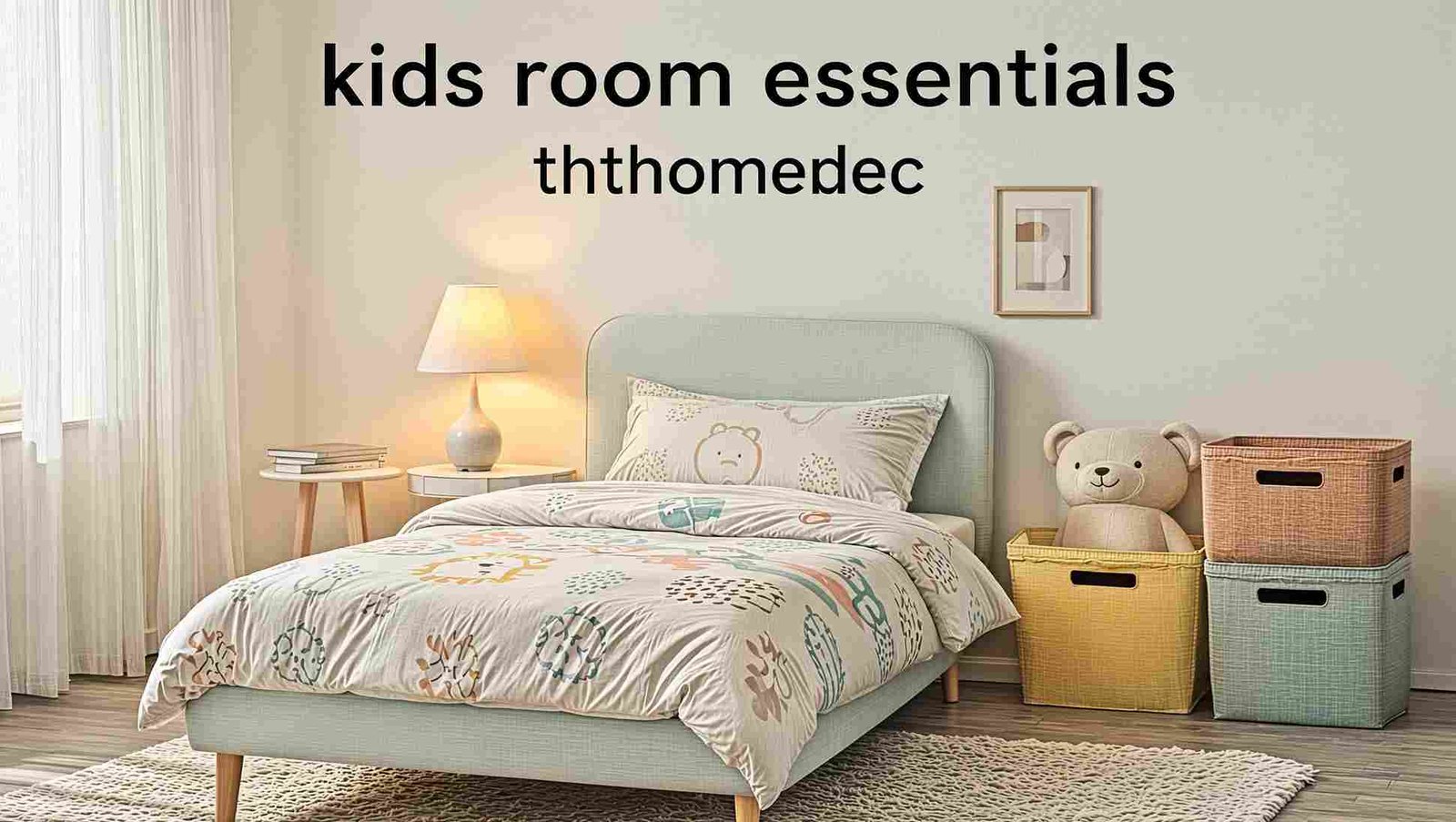
A child’s bedroom needs to do more than look cute. It may be a place to sleep, play, read, get dressed, store toys, do homework, and relax after a busy day. That is why choosing the right kids room essentials ththomedec is less about filling the room with furniture and more about creating a space that works for everyday life.
The best children’s rooms balance comfort, safety, storage, and personality. You do not need dozens of accessories or expensive furniture. A well-planned room can be simple, flexible, and enjoyable while still giving your child enough space to grow.
This guide covers the practical items worth considering, how to organize them, and which details can make a child’s room easier to use.
What Are the Most Important Kids Room Essentials?
The basic essentials for a child’s room are a comfortable bed, suitable bedding, clothing storage, toy storage, good lighting, and enough open floor space for movement and play.
Depending on your child’s age, you may also need a study desk, bookshelves, a reading area, a play corner, or additional safety features.
Here is a simple starting point:
| Essential | Main purpose |
|---|---|
| Bed and mattress | Sleep and comfort |
| Bedding | Warmth and hygiene |
| Clothes storage | Keeps clothing organized |
| Toy storage | Reduces clutter |
| Lighting | Supports sleep, play, and reading |
| Bookshelf | Makes books easy to access |
| Desk and chair | Homework and creative activities |
| Rug or floor mat | Adds comfort to play areas |
| Curtains or blinds | Helps control light and privacy |
| Wall decor | Adds personality |
| Waste bin | Everyday convenience |
| Safety equipment | Helps reduce common household risks |
You do not necessarily need every item at once. Start with the things your child uses every day and add other pieces as their needs change.
1. A Comfortable Bed and Mattress
The bed is usually the most important piece of furniture in the room because sleep is a major part of a child’s daily routine.
Choose a bed that is appropriate for your child’s age, room size, and expected length of use. A simple single bed can work well in many children’s bedrooms, while a bunk bed or loft bed may be useful when floor space is limited.
What to consider when choosing a bed
Think about:
- The available floor space
- Your child’s age
- Mattress size
- Ease of getting in and out of bed
- Storage underneath
- Whether the bed can remain useful as your child grows
- Safety features appropriate to the bed design
Avoid choosing a large bed simply because it looks impressive. Leave enough room around it for walking, opening drawers, and playing.
For smaller rooms, a bed with built-in drawers can combine sleeping space and storage without requiring another large cabinet.
2. The Right Mattress and Bedding
A good bed frame is only part of the equation. The mattress and bedding also affect comfort.
Choose a mattress that is suitable for the child’s age and bed frame. Follow the manufacturer’s instructions for the mattress, particularly regarding its use with specific bed designs.
Bedding should be easy to wash because children’s rooms can become messy quickly.
Useful bedding items include:
- Fitted sheets
- A suitable duvet or blanket
- Pillow and pillowcase
- Mattress protector
- Spare sheet sets
Having an extra set of bedding can make nighttime accidents or unexpected spills much easier to manage.
Keep bedding simple
Children may love themed bedding, but there is no need to make every major item in the room match one character or trend.
A practical approach is to choose relatively simple bedding and add personality through removable accessories such as cushions, artwork, or small decorative items.
3. Clothes Storage That Children Can Actually Use
A child’s wardrobe should make getting dressed easier, not create another daily battle.
Depending on the room, storage can include:
- Wardrobe
- Chest of drawers
- Open shelving
- Under-bed drawers
- Baskets
- Hooks
The most useful storage is often the storage your child can reach.
For younger children, placing frequently used clothing and accessories within easy reach can encourage them to participate in dressing and tidying.
Separate everyday clothing from occasional items
You can make a small bedroom feel less cluttered by keeping everyday clothes in the main storage area and moving rarely used items elsewhere.
For example, seasonal clothing can be stored separately when appropriate, leaving more room for the clothes your child currently wears.
4. Toy Storage
Toys are one of the biggest sources of bedroom clutter, so toy storage deserves careful planning.
Instead of relying on one large toy box, consider combining different storage types.
Useful toy storage ideas
- Open baskets for frequently used toys
- Low shelves for books and games
- Drawers for smaller items
- Lidded containers for pieces that need to stay together
- Under-bed storage for less frequently used toys
Open storage can be particularly useful for younger children because they can see what is available without emptying an entire container.
For small toys with many pieces, containers with secure, clearly identifiable storage can make cleanup much easier.
Do not overfill the room with storage
More storage does not automatically mean less clutter.
If there are too many containers, children may have difficulty deciding where things belong. A simple system with a clear home for each major category can work better.
5. A Child-Friendly Bookshelf
If your child enjoys books, a small bookshelf can become one of the most useful pieces in the room.
A low bookshelf lets children see and reach their books without needing to climb on furniture.
You can organize books by:
- Favourite books
- Bedtime stories
- School books
- Picture books
- Reading level
There is no need to arrange every book perfectly. The goal is to make reading convenient and inviting.
A comfortable chair, floor cushion, or small reading corner can make the bookshelf feel like part of an activity space rather than simply another storage unit.
6. Good Lighting
Lighting has a major effect on how comfortable and practical a bedroom feels.
A useful children’s room normally benefits from more than one type of lighting.
Main room lighting
A ceiling fixture can provide general illumination for dressing, cleaning, and play.
Task lighting
A desk lamp or focused light can help with reading, drawing, crafts, or homework.
Bedside or nighttime lighting
A soft light can be useful for bedtime routines, especially for children who do not like a completely dark room.
Keep cords and electrical equipment arranged safely and follow the manufacturer’s instructions for lamps and other electrical products.
7. A Study or Homework Area
Once a child starts doing regular schoolwork, a dedicated study area can become useful.
It does not have to be large. A small desk and comfortable chair may be enough.
A practical study space can include:
- Desk
- Chair
- Desk lamp
- Pencil holder
- Paper storage
- Small bookshelf
- Calendar or notice board
Keep the surface relatively clear. A desk covered with toys, decorations, and unused stationery can become distracting.
Small bedroom? Try a compact workstation
If floor space is limited, consider a narrow desk, wall-mounted desk, or furniture that serves more than one purpose.
The goal is not to create a miniature office. It is simply to provide a consistent place for schoolwork and creative activities.
8. A Comfortable Play Area
Children need space to move, build, imagine, and play.
Try to preserve some open floor area instead of filling every corner with furniture.
A play area might include:
- Soft rug
- Floor cushions
- Building toys
- Art supplies
- Small play table
- Toy baskets
The exact setup depends on your child’s interests.
For one child, the most useful space might be a drawing table. Another may need open floor space for building blocks or imaginative play.
The important point is flexibility.
9. A Soft and Practical Rug
A rug can make a bedroom feel warmer and more comfortable, particularly where children spend time sitting or playing on the floor.
When selecting one, consider:
- Ease of cleaning
- Size
- Texture
- Durability
- Whether it moves easily on the floor
A rug should not create an unnecessary tripping hazard. Make sure it is positioned securely and works appropriately with the flooring underneath.
Neutral rugs can provide a flexible background if you expect the room’s colors and decor to change over time.
10. Curtains, Blinds, and Window Coverings
Window coverings help control light and can contribute to privacy.
Choose an option that suits the room and can be operated safely. Pay particular attention to cord-related safety where young children are present.
Curtains can also contribute to the room’s overall appearance, while blackout-style window coverings may be useful for families who want better control over incoming daylight.
The right choice depends on the window, room orientation, climate, and your child’s sleeping routine.
11. Wall Decor That Can Grow With Your Child
Children’s interests change quickly.
A room covered with permanent decorations based on one short-lived interest may soon feel outdated. Instead, use flexible decor wherever practical.
Ideas include:
- Framed artwork
- Removable wall decals
- Posters
- Photo displays
- Children’s drawings
- Simple wall shelves
- Letter or name decorations
A rotating display can be especially fun. You can change artwork as your child creates new pictures or develops new interests.
12. A Mirror
A properly positioned mirror can be useful for children, especially when getting dressed.
It can also make a small room feel more open by reflecting light.
Choose the type and placement carefully, particularly in a younger child’s room. The mirror should be securely installed and positioned where it is appropriate for the child’s age.
13. A Laundry Hamper
A laundry hamper is a small item that can make a surprisingly big difference.
Give dirty clothes a designated place instead of allowing them to collect on the floor.
For children old enough to participate in tidying, a hamper can become part of their normal routine:
- Take off dirty clothes.
- Put them in the hamper.
- Put clean clothes away.
- Keep the floor clear.
Simple systems are usually easier to maintain than complicated organization methods.
14. A Waste Bin
A small waste bin is another practical addition.
Place it somewhere your child can easily reach it without creating a safety problem. It can be useful for tissues, paper scraps, and other everyday rubbish.
If your child has an art area, you may want a separate bin nearby so paper scraps do not end up throughout the room.
15. Hooks for Everyday Items
Hooks can help keep frequently used items off the floor.
Depending on the child’s age and the installation, hooks may be useful for:
- Jackets
- Dressing gowns
- Bags
- Hats
- Small accessories
Install them at an appropriate height so the child can use them comfortably.
A few well-placed hooks can be more useful than adding another large piece of furniture.
16. A Small Bedside Table
A bedside table is optional, especially in a small bedroom, but it can provide a convenient place for a lamp, book, or other bedtime item.
For a smaller room, consider:
- A narrow table
- Wall-mounted shelf
- Small storage cube
Keep the surface uncluttered. Children do not need a large collection of objects beside the bed.
17. Storage for School Supplies and Crafts
Children often collect pencils, crayons, paper, notebooks, glue, colouring materials, and other supplies.
Without a storage system, these items can quickly spread across the bedroom.
Use small containers, drawers, or shelves to group similar supplies together.
For example:
| Category | Storage idea |
|---|---|
| Pencils and pens | Cup or small organiser |
| Paper | Flat drawer or shelf |
| Craft materials | Lidded box |
| Books | Low bookshelf |
| Small toys | Baskets or containers |
| School items | Desk drawer |
Keep potentially hazardous materials appropriate to the child’s age and follow product instructions.
18. A Place for Special Items
Children often have possessions that are not used every day but are important to them.
A small keepsake box, display shelf, or dedicated drawer can give these items a home.
This might include:
- Special drawings
- Small gifts
- Collectibles
- Medals
- Cards
- Holiday souvenirs
Giving sentimental items a designated place helps prevent them from getting lost while keeping everyday surfaces clear.
19. Safety Should Be Part of the Room Design
A beautiful bedroom is not very useful if it has avoidable safety risks.
Safety needs vary with age, so review the room as your child grows.
Pay attention to:
- Furniture stability
- Window areas
- Electrical cords
- Small objects
- Sharp corners
- Climbing opportunities
- Accessible hazardous materials
- Toy age recommendations
- Bed and bunk-bed requirements
Furniture that could tip should be appropriately secured according to the manufacturer’s instructions.
For younger children, avoid assuming that an item is safe simply because it looks harmless. Children explore furniture differently from adults.
20. Keep the Floor as Open as Possible
One of the most overlooked kids room essentials is actually empty space.
Children need room to move.
Before buying another chair, cabinet, shelf, or decorative item, look at how much usable floor space remains.
Ask:
- Can my child walk around the room easily?
- Can they reach their toys?
- Is there room to play?
- Can drawers and wardrobe doors open fully?
- Is there a clear route to the bed?
- Are there unnecessary obstacles?
Sometimes removing one piece of furniture improves a bedroom more than adding three new accessories.
How to Organize a Kids’ Room Without Making It Complicated
Organization works best when it matches the child’s daily habits.
A simple system might divide the room into zones:
Sleep zone
Place the bed, bedding, bedside light, and favourite bedtime books here.
Clothing zone
Keep the wardrobe, drawers, hamper, and dressing-related items together.
Study zone
Put the desk, chair, stationery, and school supplies in one area.
Play zone
Keep toys, games, craft materials, and open floor space together.
Reading zone
If space allows, create a small area with books and a comfortable seat.
These zones do not need physical walls. Even a small bedroom can benefit from visually separating activities.
How to Choose Essentials for a Small Kids’ Bedroom
Small bedrooms require more careful decisions because every piece of furniture takes up valuable floor space.
Prioritize items that solve more than one problem.
Good examples include:
- Bed with drawers
- Desk with storage
- Shelving above a desk
- Storage bench
- Wardrobe with internal organization
- Wall hooks
- Under-bed containers
Use vertical space where appropriate, but do not turn every wall into storage.
A room still needs breathing space.
Use furniture that can change with age
Children grow quickly, so consider whether an item will still be useful in a few years.
A simple desk, adjustable storage arrangement, or neutral furniture can often remain useful longer than heavily themed pieces designed around a narrow age group.
How to Make a Kids’ Room Feel Personal
A practical room does not have to look boring.
Let your child have a say in selected parts of the design.
They might choose:
- Bedding
- Artwork
- A few cushions
- Books
- Decorative objects
- Colour accents
- Display items
Adults can handle the structural decisions, while children can contribute to the visual personality of the room.
This creates a space that feels like theirs without requiring a complete redesign every time their interests change.
Colours for a Children’s Bedroom
There is no single correct colour palette for a kids’ room.
Some families prefer soft neutrals, while others enjoy brighter colours.
Consider using a simple base with smaller areas of stronger colour.
For example:
- Neutral walls + colourful bedding
- Light furniture + colourful artwork
- Simple room + themed accessories
- Soft wall colour + bright storage baskets
This approach makes future updates easier.
If your child changes their favourite colour next year, replacing a few accessories is much easier than repainting every surface.
What Should You Avoid Buying?
Not every attractive children’s-room product is necessary.
Think twice before buying:
- Furniture that has no clear purpose
- Too many decorative cushions
- Large items that reduce play space
- Storage containers your child cannot reach
- Delicate materials that are difficult to maintain
- Strongly themed furniture that may quickly become unsuitable
- Products that introduce unnecessary safety concerns
A useful rule is simple: if an item does not make the room safer, more comfortable, easier to organize, or more enjoyable, you may not need it.
Kids Room Essentials by Age
Children’s needs change, so a bedroom should evolve with them.
| Age/stage | Useful priorities |
|---|---|
| Young children | Safe sleeping area, accessible storage, open play space, simple lighting |
| School-age children | Bed, clothes storage, toy organization, books, study area |
| Older children | Comfortable bed, larger clothing storage, study space, personal decor |
| Teenagers | Sleep space, study area, clothing storage, privacy, personal organization |
These are broad planning guidelines rather than strict rules. Every child and bedroom is different.
A Simple Kids Room Shopping Checklist
Before buying anything, walk through the room and make a list.
Sleeping
- Bed
- Mattress
- Mattress protector
- Sheets
- Pillow
- Duvet or blanket
Clothing
- Wardrobe
- Drawers
- Hamper
- Hooks
Storage
- Toy baskets
- Shelves
- Book storage
- Small containers
Study
- Desk
- Chair
- Task light
- Stationery storage
Play and comfort
- Rug
- Floor cushions
- Books
- Age-appropriate toys
Practical items
- Waste bin
- Curtains or blinds
- Mirror
- Night light if needed
Safety
- Secure furniture where appropriate
- Manage cords
- Check window-area safety
- Keep unsuitable items out of reach
- Follow age and product safety guidance
How to Keep a Kids’ Room Organized
A child’s bedroom does not need to stay perfectly tidy all day.
Instead, aim for a system that makes cleanup easy.
Try a short daily reset:
- Put dirty clothes in the hamper.
- Return toys to their storage.
- Put books back on the shelf.
- Clear the desk.
- Remove rubbish.
- Leave the floor reasonably clear.
You can also make cleanup easier by keeping storage close to where each item is used.
For example, books belong near the reading area, art supplies near the desk, and frequently used toys near the play area.
When Should You Update the Room?
There is no fixed schedule for redesigning a child’s bedroom.
Instead, look for signs that the room no longer matches the child’s needs.
You may need to make changes when:
- Clothes no longer fit the existing storage
- Toys are taking over the floor
- Homework requires a proper desk
- Your child needs more privacy
- The bed is no longer suitable
- Storage is difficult to use
- Your child’s interests have changed
- The room has become too crowded
Small changes can often solve the problem without replacing everything.
Final Thoughts
The most useful kids room essentials ththomedec are not necessarily the most expensive or fashionable ones. A successful children’s bedroom gives your child a comfortable place to sleep, practical storage, enough room to move, suitable lighting, and space for the activities that matter to them.
Start with the basics: a good sleeping setup, clothing storage, toy organization, lighting, and clear floor space. Then add a study area, reading corner, personal decor, or other features as your child’s needs develop.
Most importantly, design the room around how your child actually lives. A bedroom that is easy to use, easy to tidy, and comfortable every day will usually serve your family better than one designed only to look perfect in photographs.



















