

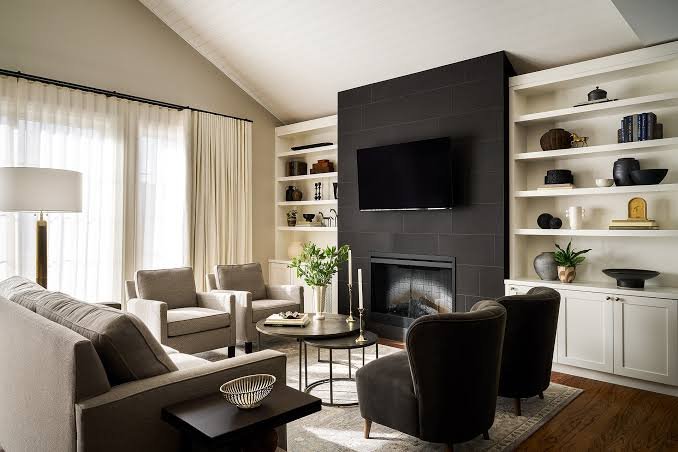
A beautiful home should feel comfortable, look inviting, and make everyday life easier. With smart technology becoming part of modern interior design, you can now combine attractive furniture, thoughtful lighting, and useful devices to create a space that works around your lifestyle. This approach is often called home Decoradtech, bringing home decoration and technology together.
If you are wondering how to set up my home decoradtech, start with a clear plan rather than filling your rooms with expensive gadgets. Think about what you want to improve, whether that means controlling your lights with your phone, keeping your home secure, reducing clutter, or creating a relaxing atmosphere.
The process is easier when you tackle one room at a time. This guide explains how to plan your setup, choose compatible smart devices, improve your internet connection, blend technology into your decor, and create practical routines without making your home feel like a showroom.
What Is Home Decoradtech?
Home Decoradtech combines interior decoration with smart home technology. The idea is to create a home that looks thoughtfully designed while using connected devices to make daily activities more convenient.
Instead of treating technology as a separate part of your home, you incorporate it into your overall design. A smart lamp might provide adjustable lighting for reading and relaxing, while a wireless charging station can keep your bedside table tidy.
A typical Decoradtech setup may include:
- Smart lighting: Bulbs, switches, and lighting systems that you can control through an app or voice assistant.
- Smart home assistants: Devices that help control compatible lights, appliances, entertainment systems, and other connected products.
- Automated window coverings: Motorised blinds and curtains that open or close according to your preferences.
- Smart security: Cameras, video doorbells, motion sensors, and compatible smart locks.
- Connected entertainment: Smart televisions, speakers, and streaming devices that make it easier to enjoy music and films.
- Practical furniture: Desks, tables, and storage units that incorporate charging, cable management, or other useful features.
The goal is not to install every available gadget. It is to choose technology that solves real problems while supporting your preferred interior style.
How to Set Up My Home Decoradtech Step by Step
A simple process for beginners
Setting up your home is much easier when you follow a sensible order. Begin by deciding what you need, then prepare your internet connection, choose a compatible system, and add devices gradually.
1. Identify Your Home’s Needs and Priorities
Before buying anything, walk through your home and identify the areas that need attention. A device that is useful in one household might be unnecessary in another.
For example, someone who works from home may benefit from smart lighting and a comfortable, connected workspace. A family with young children may place more emphasis on practical lighting controls and home security.
Ask yourself a few questions:
- Which rooms do I use most often?
- What everyday tasks could be made easier?
- Do I need better lighting, entertainment, security, or temperature control?
- Where do cables and electronic devices create clutter?
- How much can I comfortably spend on improvements?
Once you have your answers, make a room-by-room list of possible upgrades.
Example: A simple home setup plan
| Room | Main priority | Possible improvement |
|---|---|---|
| Living room | Comfort and entertainment | Smart bulbs and connected TV |
| Bedroom | Relaxation | Adjustable bedside lighting |
| Kitchen | Convenience | Smart plugs for compatible appliances |
| Home office | Productivity | Task lighting and cable management |
| Entrance | Security | Video doorbell or motion sensor |
You do not need to upgrade every room immediately. Choose the space where a small improvement will make the biggest difference to your everyday routine.
2. Set a Realistic Budget
A home technology project can become expensive if you purchase everything at once. Decide how much you want to spend before browsing products, and leave some room in your budget for accessories or installation.
Divide your planned purchases into three categories:
- Essential: Devices that solve an immediate problem, such as a smart bulb or a better router.
- Useful additions: Products that improve convenience, such as automated blinds or connected speakers.
- Optional upgrades: Decorative technology and advanced automation that you can add later.
Consider the full cost of ownership, not just the price of the device. Some products may require a compatible hub, additional accessories, professional installation, or a paid subscription.
For example, a smart security camera may have a low initial price but require a subscription for certain recording features. Check these details before committing.
3. Choose a Smart Home Ecosystem
A smart home ecosystem is the system you use to connect and control compatible devices. It can include a voice assistant, a mobile app, a central hub, and the smart products in your home.
Common options include:
- Amazon Alexa: A voice assistant and smart home platform that works with a range of compatible products.
- Google Home: A platform for managing compatible smart devices and controlling them through supported Google products.
- Apple Home: A smart home system for controlling compatible accessories through Apple’s supported devices.

Amazon Alexa
Useful for households that want voice control and a range of compatible smart home products. Check whether your chosen devices work with the particular Alexa-enabled product you own.

Google Home
Suitable for people who want to manage supported devices using Google’s smart home platform and compatible voice controls.

Apple Home
An option for households using Apple devices who want to manage supported accessories through Apple’s home app and ecosystem.
Before choosing, make a list of the products you already own and the devices you intend to buy. Confirm that they are compatible with your preferred platform, including any required hub or network connection. Compatibility labels alone do not guarantee that every advanced feature will work across different systems.
4. Improve Your Wi-Fi Connection
A reliable internet connection is an important part of many smart home setups. Devices that rely on Wi-Fi may become difficult to control if your network has weak coverage or frequent interruptions.
Start by checking your existing connection in the rooms where you plan to use smart devices.
Practical ways to improve coverage:
- Place your router in a central, open location rather than hiding it in a cupboard.
- Keep the router away from large obstructions and sources of interference where possible.
- Check for weak signal areas using your phone or a network-testing app.
- Consider a mesh Wi-Fi system if your home is large or has persistent coverage gaps.
- Use a strong, unique password for your home network.
Not every smart device needs a high-speed internet connection, but a stable network makes it easier to manage devices and access features that depend on remote connectivity.
If you have many connected devices, check your router’s specifications and the manufacturer’s recommendations. Some devices use different Wi-Fi frequency bands, while others communicate through a separate hub or supported wireless technology.
5. Start With Smart Lighting
Lighting is a useful first project because it affects both the appearance and the everyday function of a room. Smart bulbs and switches can let you adjust brightness, schedule lighting, and create different moods.

Think about how you use each room before selecting your lighting products.
Living room: Combine ceiling lights with floor lamps or table lamps. A dimmable smart bulb can make it easier to switch from bright daytime lighting to a softer evening atmosphere.
Bedroom: Choose comfortable bedside lighting that is easy to control without getting out of bed. A scheduled light can also provide a gentle start to your morning.
Kitchen: Use suitable bright lighting for food preparation and general visibility. Under-cabinet lighting can illuminate work surfaces without requiring you to switch on every ceiling light.
Hallway: Motion sensors and compatible lights can provide convenient illumination when someone walks through the space.
When choosing smart bulbs, check the fitting type, brightness, colour options, dimming compatibility, and whether you need a hub. If you plan to use smart switches, verify that your existing electrical installation supports the product. Consult a qualified electrician when wiring changes are required.
6. Add Smart Furniture and Practical Accessories
Smart furniture can help keep technology organised while making rooms more comfortable. However, not every piece needs an electronic feature to be useful.
Consider furniture and accessories that address a specific problem:
- A bedside table with a built-in wireless charging surface can reduce visible cables.
- A desk with integrated cable management can keep a home office organised.
- A media console with ventilation and concealed cable storage can make an entertainment area look tidier.
- A storage bench can provide seating while keeping everyday items out of sight.
- A suitable adjustable desk can help you create a flexible working area.

When choosing electronic furniture, check the manufacturer’s electrical specifications and installation requirements. Make sure built-in charging equipment is compatible with your devices and that any heat-producing electronics have sufficient ventilation.
You can also make your existing furniture work better. A cable tray beneath your desk, a decorative basket for chargers, or a small storage cabinet can provide a clean look without the expense of replacing everything.
7. Set Up Smart Security
Smart security products can help you monitor your home and receive alerts about certain activities. The right setup depends on your property, privacy needs, and the features you want.

Common options include:
| Device | What it can do | What to consider |
|---|---|---|
| Video doorbell | Show visitors and provide alerts | Wi-Fi coverage, power and recording options |
| Smart camera | Let you view supported camera feeds remotely | Privacy, storage, placement and subscription costs |
| Motion sensor | Detect movement in a monitored area | Placement and sensitivity settings |
| Smart lock | Allow supported electronic locking and access features | Door compatibility, backup entry and security |
| Contact sensor | Notify you when a monitored door or window opens | Battery life and communication range |
Choose devices that suit the layout of your home rather than installing cameras everywhere. Position cameras carefully to respect the privacy of household members, visitors, and neighbours.
Use strong passwords, enable available account security features such as multifactor authentication, and keep device software updated. Review who has access to your security system, particularly if you have shared access with family members or service providers.
For a rented property, check your tenancy agreement and obtain any necessary permission before drilling, wiring, or making permanent changes.
8. Incorporate Smart Climate Control
Temperature control is another way to make your home more comfortable. Depending on your existing heating and cooling system, you may be able to use smart thermostats, compatible radiator controls, or connected fans.
Before buying anything, check the product’s compatibility with your heating or cooling equipment. Not all homes have the same wiring, heating systems, or control arrangements.
Useful features may include:
- Setting preferred temperatures at different times of the day.
- Adjusting compatible heating systems through a mobile app.
- Creating schedules around your normal routine.
- Monitoring indoor temperature and humidity using supported sensors.
- Controlling compatible fans or air-conditioning units remotely.
Think about your household’s actual needs. If you are often away during the day, a suitable schedule may be useful. If you spend most of your time at home, simple manual controls might be enough.
A smart thermostat does not automatically guarantee lower energy bills. Savings depend on your existing system, how you use heating or cooling, the local climate, and the settings you choose.
For electrical, heating, or air-conditioning modifications, use an appropriately qualified professional where required.
9. Connect Your Devices and Test Them
Once you have selected your devices and prepared your network, follow the installation instructions supplied by each manufacturer.
Most consumer smart devices require some combination of the following:
- Install the manufacturer’s mobile app.
- Create or sign in to the required account.
- Connect the device to power or install its batteries.
- Follow the app’s instructions to pair it with your network or hub.
- Give the device a clear name that identifies its room and purpose.
- Test its basic controls before moving on to the next device.
Use consistent names such as “Bedroom Lamp” or “Kitchen Ceiling Light” instead of vague names like “Light 1” and “Light 2.” Clear labels make it easier to control devices through apps and voice assistants.
If a device will not connect, check its network requirements, power supply, pairing mode, and the manufacturer’s troubleshooting instructions. Avoid repeatedly resetting every device when the problem may be limited to one connection or account setting.
10. Create Simple Home Automation Routines
Automation allows compatible devices to perform selected actions based on schedules, triggers, or other conditions.
For example, you could create a routine that turns on your hallway light at a chosen time, or one that adjusts your living room lighting when you start watching a film.
Example: A simple evening routine
- Choose a triggerSet a time in the evening or use a supported voice command.
- Adjust the lightingDim compatible living room lights to a comfortable brightness.
- Prepare entertainmentTurn on compatible entertainment equipment if you want it included in the routine.
- Check the resultTest the routine and adjust the settings to suit your household.
You can also create a morning routine that turns on selected lights or starts compatible appliances. Keep your first automations simple. A few reliable routines are generally easier to maintain than a large collection of complicated rules.
Be careful with automations involving locks, ovens, heaters, and other equipment where an unexpected action could create a safety or security issue. Use manufacturer-approved features and retain a reliable manual control method.
How to Design Each Room Around Your Decoradtech Setup
Technology should support your interior design rather than dominate it. Once your essential devices are working, look at how they fit into each room.
Living Room: Balance Entertainment and Comfort
The living room is often a natural place to begin because it combines lighting, seating, entertainment, and everyday family activities.

Consider these practical ideas:
- Position your television at a comfortable viewing height and distance.
- Use a media console to organise connected devices and conceal loose cables.
- Place speakers where they provide useful sound without obstructing walkways.
- Add lamps or dimmable lights for different activities.
- Use furniture that provides sufficient storage for remotes, chargers, and accessories.
Avoid placing electronic equipment in tightly enclosed spaces unless the manufacturer confirms that the ventilation is sufficient. Keep devices away from heat sources and areas where they could be knocked over.
Bedroom: Create a Relaxing Environment
Your bedroom should support rest and everyday comfort. Choose technology that makes your routine easier without filling the space with unnecessary screens or notifications.

A practical bedroom setup might include:
- Dimmable bedside lights.
- A convenient charging point for your phone.
- Curtains or blinds that provide the privacy and light control you need.
- A tidy storage area for chargers and other electronic accessories.
- A simple nighttime routine for compatible lighting and entertainment devices.
Keep charging equipment in good condition and follow the manufacturer’s instructions. Avoid placing devices beneath bedding or covering them while charging if they generate heat.
Kitchen: Prioritise Function and Easy Cleaning
A kitchen needs good visibility, practical storage, and surfaces that are easy to clean. Technology should support these needs without interfering with cooking or food preparation.

Useful additions include:
- Under-cabinet lighting for work surfaces.
- A suitable smart display or speaker placed away from heat, moisture, and splashes.
- Organised charging points for small devices.
- Compatible smart plugs for appropriate appliances.
- Well-planned task lighting.
Do not connect high-power kitchen appliances to smart plugs unless the plug is specifically rated and approved for that application. Check electrical ratings and follow local safety requirements.
Home Office: Improve Focus and Organisation
A home office benefits from a comfortable layout and reliable equipment. Start with your desk, chair, lighting, and internet connection before adding decorative technology.

A well-organised workspace may include:
- A desk lamp with adjustable brightness.
- A comfortable chair and suitable desk height.
- A monitor positioned to suit your working posture.
- Cable trays and storage for accessories.
- A reliable internet connection.
- A convenient power arrangement that avoids overloaded sockets.
If you use a smart assistant in your workspace, consider whether voice control is helpful or distracting. You may also want to keep personal devices separate from work equipment when privacy or workplace policies require it.
Bathroom: Choose Moisture-Suitable Products
Bathrooms require extra care because electrical products can be exposed to moisture and water. A smart bathroom should be planned around safe placement and suitable equipment, not simply convenience.

You might consider lighting with suitable moisture protection, a properly rated extractor fan, or a compatible mirror with built-in lighting.
Always check the manufacturer’s instructions and applicable electrical safety requirements before installing devices in a bathroom. Electrical work in areas near water should be handled by a qualified professional where required. Do not place ordinary smart speakers, charging devices, or extension leads in locations where they could get wet.
How to Make Smart Technology Blend Into Your Decor
A smart home can be functional without looking like a collection of electronic devices. The key is to plan where your technology will sit and how it will look alongside your furniture, colours, and finishes.
Hide Unnecessary Cables
Loose wires can make an otherwise tidy room look cluttered. Use cable clips, suitable cable covers, desk trays, and furniture with built-in cable management to keep them organised.
For a television area, group the cables belonging to your entertainment equipment and route them through an appropriate cable management system. Never conceal electrical connections in a way that prevents inspection or creates a fire risk. Any permanent electrical work should meet local requirements.
Choose Devices That Match Your Interior Style
Consider your existing colour palette and materials when selecting visible devices.
- For a minimalist interior, choose simple shapes, neutral colours, and discreet accessories.
- For a traditional home, look for technology with understated finishes that complement existing furniture.
- For a contemporary room, consider clean-lined lighting and carefully positioned entertainment equipment.
- For a warm, natural interior, combine wood, textiles, and soft lighting with discreet technology.
You do not have to match every device perfectly. The aim is to create a balanced appearance rather than make every electronic product disappear.
Use Lighting to Add Depth
Lighting can help define the atmosphere of a room. Combine general lighting with task and accent lighting to make your home more adaptable.
For example, a living room might have a ceiling light for everyday activities, a reading lamp beside the sofa, and a subtle light behind a television cabinet. If these products are compatible with the same control system, you can adjust them together for different occasions.
Choose light colour and brightness according to the room’s purpose and your personal preference. Test the lighting in the actual space before purchasing multiple bulbs or fixtures.
How to Keep Your Decoradtech Home Secure and Private
Connected devices can make everyday tasks more convenient, but they also introduce accounts, network connections, and personal data that need to be managed carefully.
Follow these basic security practices:
- Use unique passwords: Avoid reusing your email or other account passwords for smart home services.
- Enable multifactor authentication: Turn it on wherever the manufacturer offers it.
- Install software updates: Check for updates to your router, smart devices, and their companion apps.
- Review device permissions: Check which apps and accounts can access your connected products.
- Protect your Wi-Fi: Use modern security settings supported by your router and a strong network password.
- Check privacy settings: Understand whether devices record audio or video, how recordings are stored, and who can access them.
- Remove unused devices: Disconnect products you no longer use and revoke access from old accounts.
If you use cameras or microphones, think about where they are positioned and who might be recorded. Use privacy settings and physical controls where available, especially in bedrooms and shared living areas.
A smart home should remain usable if your internet connection fails. Keep manual controls available for essential functions such as lighting, heating, and secure access to your property.
Common Mistakes to Avoid When Setting Up Your Home
Even a simple home technology project can become frustrating if you rush the planning stage. These are some problems worth avoiding.
Buying Devices Before Checking Compatibility
A product may look perfect but still fail to work with your existing smart home platform. Check compatibility, required hubs, network requirements, and available features before buying.
Installing Too Many Gadgets at Once
Starting with too many devices can make installation and troubleshooting difficult. Begin with a small number of products in one room. Once everything works as expected, expand gradually.
Ignoring Your Existing Interior Design
A device should have a sensible place in the room. Avoid placing speakers, charging stations, and smart displays wherever there happens to be an available socket. Consider how the equipment affects the room’s appearance, furniture arrangement, and movement.
Overcomplicating Automation
Not every household task needs an automated routine. Too many schedules and triggers can make your system harder to understand and maintain.
Start with one or two routines that you will actually use. Make sure you can easily turn off or override them when your plans change.
Forgetting Maintenance
Connected devices need occasional attention. Batteries run down, software changes, and network settings can become outdated.
Create a simple reminder to check your system periodically. Review your connected devices, update software, test important automations, and replace batteries according to the manufacturer’s instructions.
A Simple Checklist for Your First Home Decoradtech Setup
Use this checklist to organise your project before you start buying and installing products.
Setup progress
0 of 12 completeIdentify the rooms that need improvementWrite down my main goals for smart home technologySet a realistic budgetCheck my Wi-Fi coverageChoose a smart home ecosystemCheck compatibility before buying devicesStart with one room and a few essential productsInstall and test each deviceOrganise cables and choose suitable furnitureCreate one or two useful automation routinesReview privacy and security settingsSchedule regular maintenanceReset checklist
Frequently Asked Questions
How do I start setting up my home Decoradtech?
Begin by identifying what you want to improve in your home. Choose a room, set a budget, and select a few compatible devices that solve practical problems. Prepare your Wi-Fi network, install the devices according to their instructions, and test them before expanding to other rooms.
Do I need a smart home hub to get started?
Not necessarily. Some smart devices connect directly to Wi-Fi and can be controlled through their own apps. Others need a dedicated hub or a compatible controller to provide certain functions. Check the requirements of the products you plan to use before purchasing a central system.
Can I set up a smart home on a small budget?
Yes. Start with a few affordable improvements, such as a compatible smart bulb, a smart plug for an appropriate appliance, or a simple cable management system. Add more products as your needs and budget allow. You do not need to automate your entire home to benefit from smart technology.
Can smart home devices work without the internet?
Some smart devices provide local controls or continue performing certain functions without an internet connection. Others depend on cloud services and may lose remote access or automation features when the internet is unavailable. Check each manufacturer’s documentation and maintain manual controls for essential household functions.
How can I make smart devices look attractive in my home?
Plan where each device will sit before installing it. Choose colours and finishes that complement your furniture, organise cables, and avoid unnecessary equipment on visible surfaces. Use storage furniture and discreet accessories to keep technology organised without obstructing ventilation or access.
How often should I maintain my smart home system?
Check your devices periodically, especially after software updates, network changes, or unusual behaviour. Review security settings, update software, check batteries, and test essential automations. Follow the manufacturer’s maintenance recommendations for each product.
Conclusion
Setting up your home Decoradtech is about making technology work naturally alongside your interior design. A reliable network, compatible devices, practical lighting, organised furniture, and simple automation can help create a more comfortable and functional living space.
You do not need to transform every room at once. Start with one area, focus on the improvements that matter most to you, and build your system gradually. When each new device has a clear purpose and a suitable place in your home, technology becomes a useful part of your everyday surroundings rather than another source of clutter.



















