

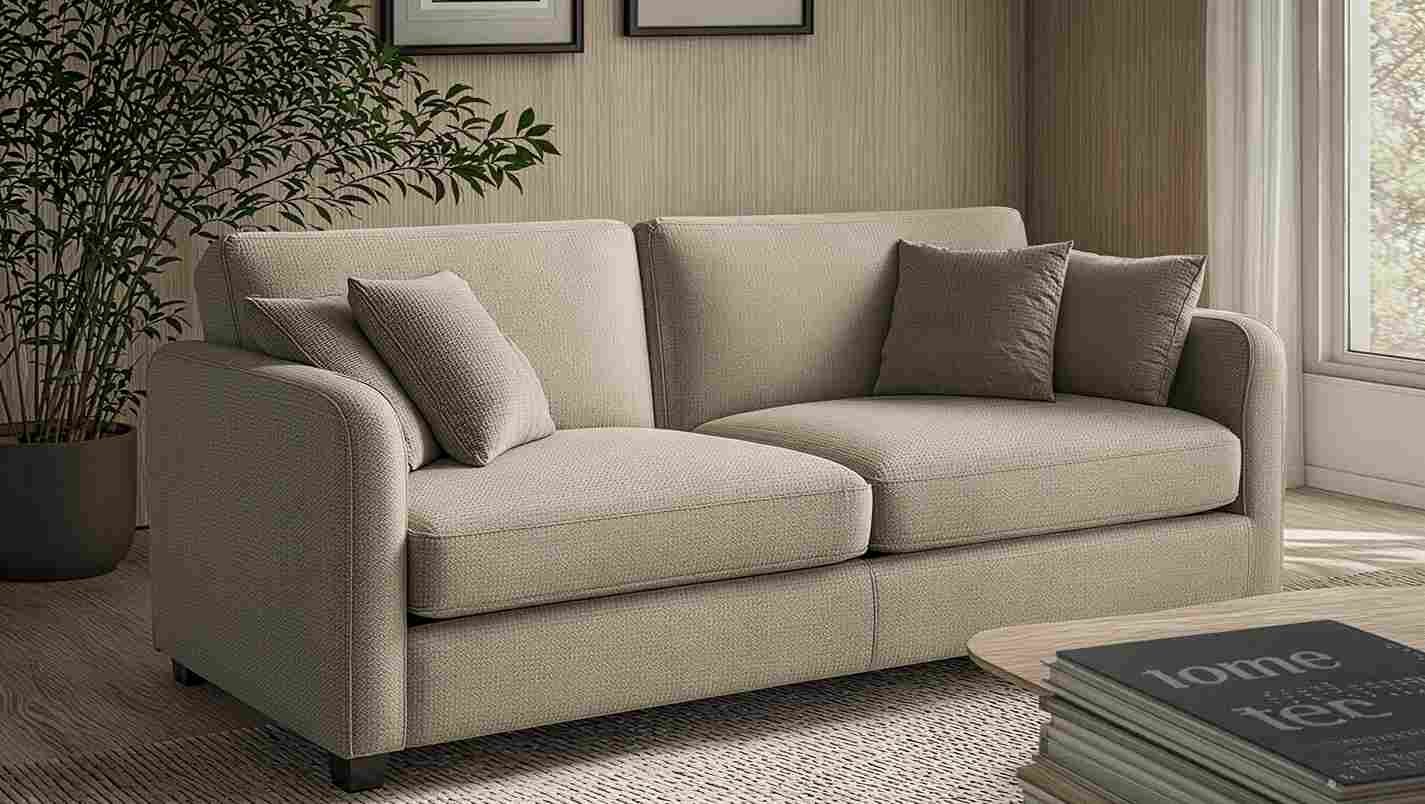
A home tete can refer to a tête-à-tête, a small piece of furniture designed to let two people sit close together and talk face-to-face. The French expression literally means “head to head,” and dictionaries use it both for a private conversation and for a two-person sofa or seat.
Unlike a standard sofa or loveseat, a tête-à-tête is designed around conversation. Its unusual shape makes it an interesting choice for a living room, bedroom, reading corner, entryway, conservatory, or covered outdoor space.
If you like furniture that does more than simply fill an empty corner, this style can add both function and personality to your home.
What Is a Home Tete?
A home tete is essentially a two-person conversation seat. Traditional examples were often shaped so that two people could sit facing one another without having to turn their bodies completely. Collins describes the classic form as a small sofa, often S-shaped, that positions the sitters almost face-to-face.
The name is more commonly written tête-à-tête.
There are several forms of this furniture, including:
- S-shaped conversation sofas
- Two connected chairs
- Curved conversation benches
- Back-to-back seating
- Modern sculptural conversation seats
- Upholstered two-person accent sofas
The defining feature is not necessarily one particular shape. It is the way the furniture creates an intimate seating arrangement for two people.
Why Is Tête-à-Tête Furniture Different?
A conventional sofa encourages people to sit side by side. A tête-à-tête changes the arrangement so conversation becomes the main purpose.
This makes it useful when you want a seating area that feels more personal than a large sectional.
For example, you could place one:
- Beside a fireplace
- In a quiet bedroom corner
- Near a large window
- In a home library
- In a spacious entry hall
- In a sunroom
- At the end of a hallway
- In a covered garden seating area
The furniture can also become a visual focal point because its shape is less familiar than a standard loveseat.
A Brief History of Tête-à-Tête Furniture
The phrase tête-à-tête has French origins and literally translates to “head to head.” The word has been used for private conversations for centuries, while its furniture meaning developed later. The French National Dictionary records the furniture meaning as a small two-person sofa and dates that usage to the 18th century.
The furniture became associated with intimate conversation and social seating.
Historical examples include conversation chairs and courting furniture. Some 19th-century designs positioned two people opposite one another, sometimes with a central or shared arm separating them. These pieces allowed people to talk while maintaining a more formal physical arrangement.
That history is part of what makes the design interesting today. A modern tête-à-tête can feel contemporary, but its basic purpose—creating a dedicated place for two people to talk—comes from an older furniture tradition.
Home Tete vs. Loveseat
A tête-à-tête and a loveseat can look similar, but they are not exactly the same.
| Feature | Tête-à-tête | Loveseat |
|---|---|---|
| Main purpose | Face-to-face conversation | Side-by-side seating |
| Typical seating | Two people | Two people |
| Shape | Often curved or unusual | Usually straight |
| Design | More decorative or sculptural | More conventional |
| Best feature | Intimate conversation | Flexible everyday seating |
| Visual impact | Often a statement piece | Usually blends into a room |
A loveseat may be the better choice if you want everyday seating for watching television or relaxing.
A tête-à-tête makes more sense when you want to create a dedicated conversation area.
Where Should You Put a Home Tete?
Placement matters because the furniture is designed around interaction.
Living Room
A living room is one of the easiest places to use a tête-à-tête. Instead of placing it directly against a wall, consider positioning it where two people can naturally face each other.
It can work particularly well near:
- A fireplace
- A coffee table
- A window
- A reading lamp
- A small side table
If your main sofa already provides enough everyday seating, the tête-à-tête can create a secondary conversation zone.
Bedroom
A bedroom doesn’t always need to be filled with furniture. A small tête-à-tête can create a comfortable sitting area without requiring a large sofa.
Place it near a window or at the foot of the bed if the room has enough space.
Choose soft upholstery and a shape that complements the bed rather than competing with it.
Entryway
A larger entry hall can benefit from an unusual seating piece.
A tête-à-tête can provide somewhere to sit while putting on shoes while also giving the entrance a stronger decorative focal point.
For a narrow entry, however, check the furniture’s depth carefully. Its curved design may take up more usable floor space than expected.
Sunroom or Conservatory
A bright room with natural light can be an excellent setting for this type of furniture.
Pair it with:
- A small round table
- Indoor plants
- Light curtains
- Textured cushions
- A floor lamp
The result can feel like a small private sitting area rather than another ordinary sofa arrangement.
Covered Outdoor Area
Some tête-à-tête-inspired designs can work outdoors, but only when the materials and construction are specifically intended for outdoor use.
Do not assume that an indoor upholstered piece is suitable for a patio simply because it looks attractive there. Check the manufacturer’s material and care instructions before using furniture outdoors.
How to Choose the Right Style
The best home tete is one that works with the room rather than looking like an unrelated antique or novelty item.
Traditional
Traditional versions often feature:
- Carved wood
- Detailed legs
- Upholstery
- Curved frames
- Decorative patterns
They can suit classic, Victorian, traditional, or collected interiors.
Modern
Modern versions usually simplify the unusual shape.
Look for:
- Clean lines
- Smooth upholstery
- Sculptural curves
- Minimal detailing
- Neutral fabrics
A modern design can work especially well in contemporary interiors where the furniture itself acts as artwork.
Mid-Century Inspired
A mid-century-inspired tête-à-tête may combine a simple frame with curved seating.
Wooden legs, restrained upholstery, and an uncomplicated silhouette can make the piece easier to integrate into an existing room.
Vintage
Vintage furniture can bring considerable character to a room.
If you choose an older piece, inspect:
- Frame stability
- Upholstery condition
- Wood joints
- Springs
- Fabric damage
- Previous repairs
A beautiful exterior does not necessarily mean the furniture is structurally sound.
What Materials Work Best?
The right material depends on where you intend to use the furniture.
Wood
Wood frames can provide a traditional, warm appearance. Different finishes can make the same basic design feel rustic, classic, or contemporary.
Upholstery
Fabric upholstery offers a softer appearance and is particularly suitable for bedrooms and living rooms.
Consider the color and texture carefully because the unusual shape already attracts attention.
Velvet
Velvet can make a tête-à-tête feel dramatic and luxurious. It works especially well when you want the furniture to become a statement piece.
However, a bold fabric can dominate a small room, so balance it with simpler surrounding furniture.
Leather
Leather can give a conversation seat a more structured and durable appearance.
It can suit traditional, industrial, contemporary, and masculine-inspired interiors depending on the frame and color.
Metal
Metal frames are useful for lighter-looking designs and some outdoor furniture. If the piece will be exposed to moisture, make sure its finish and construction are appropriate for outdoor conditions.
How to Style a Home Tete
Because the furniture itself is distinctive, styling should usually be simple.
Start with the seating piece and then add only what the area needs.
A simple arrangement might include:
- The tête-à-tête
- A small side table
- One floor or table lamp
- A rug
- One or two cushions
- A nearby plant or decorative object
Avoid surrounding it with too many accessories. You want enough decoration to make the area comfortable without hiding the furniture’s shape.
Choosing the Right Size
Measure the room before buying.
Do not measure only the width of the furniture. Also consider:
- Overall depth
- Seat height
- Arm width
- Clearance around the furniture
- Doorway dimensions
- Stairways
- Elevator access
- Space needed to walk around it
This is particularly important with vintage or sculptural pieces because their dimensions can be less predictable than those of standard sofas.
A piece that looks compact in a photograph may feel surprisingly large once it is inside your room.
Common Mistakes to Avoid
Buying for Looks Alone
A dramatic tête-à-tête may look fantastic online but still be uncomfortable or impractical.
Sit in it when possible before buying.
Ignoring the Room Layout
Because the furniture encourages face-to-face seating, it needs enough surrounding space to make the arrangement feel intentional.
Choosing Too Much Pattern
If the furniture has an unusual silhouette and a highly decorative fabric, the room can quickly become visually busy.
Let either the shape or the upholstery be the main feature.
Forgetting Comfort
A conversation piece should still be comfortable.
Check the seat depth, back support, cushion firmness, and arm position.
Using Indoor Furniture Outdoors
An indoor piece may not be designed to withstand sunlight, rain, humidity, or outdoor temperature changes.
Use outdoor-rated furniture when placing it outside.
Is a Home Tete Worth It?
A tête-à-tête can be a worthwhile choice if you want furniture that creates a specific social experience rather than simply adding another seat.
It is particularly useful for someone who wants:
- A dedicated conversation area
- A distinctive accent piece
- A compact two-person seating arrangement
- A vintage-inspired look
- A sculptural furniture feature
- A quieter alternative to a large sofa
It may not be the right choice if you need maximum seating capacity or flexible everyday furniture.
Home Tete Ideas for Different Rooms
| Room | Good approach |
|---|---|
| Living room | Create a separate conversation corner |
| Bedroom | Add a private reading or sitting area |
| Entryway | Use a compact design as an accent |
| Library | Pair it with a lamp and small table |
| Sunroom | Choose a light, comfortable design |
| Conservatory | Combine with plants and natural textures |
| Covered patio | Use furniture specifically rated for outdoor use |
How to Make It Feel Modern
You don’t need a completely contemporary design to make a tête-à-tête feel modern.
Try combining a classic shape with:
- Neutral upholstery
- Simple cushions
- A contemporary rug
- Minimal side tables
- Modern lighting
- Natural wood
- Clean-lined accessories
The contrast between an old-fashioned furniture concept and modern surroundings can be especially effective.
Frequently Asked Questions
What does home tete mean?
“Home tete” is commonly understood as a casual form of tête-à-tête when referring to home furniture. A tête-à-tête can mean a private conversation between two people or a two-person piece of seating designed for face-to-face conversation.
Is a tête-à-tête the same as a loveseat?
No. Both can seat two people, but a loveseat normally places people side by side, while a traditional tête-à-tête is designed to position them face-to-face or at an angle that encourages conversation.
Can you put a tête-à-tête in a small room?
Yes, but measure carefully. The unusual shape can require more usable floor space than a conventional two-seat sofa.
Is a tête-à-tête comfortable?
It can be, but comfort depends on the specific design. Check seat depth, cushioning, back support, and arm placement rather than choosing based only on appearance.
Can a tête-à-tête be used outdoors?
Some are designed for outdoor use, but indoor furniture should not automatically be placed outside. Check the manufacturer’s material and care recommendations.
Conclusion
A home tete, or tête-à-tête, is more than an unusual sofa. Its main purpose is to create a comfortable setting where two people can sit together and talk. The furniture has a long design history, but its basic idea still works in modern homes.
The key is choosing a piece that fits your room, supports comfortable seating, and complements the rest of your decor. Whether you prefer vintage woodwork, soft upholstery, or a clean modern design, a well-placed tête-à-tête can turn an unused corner into a purposeful and inviting space.



















